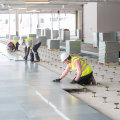
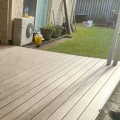
Every successful construction project depends on more than selecting high-quality building materials. Equally important is ensuring that those materials are compatible with one another throughout every stage of the construction process. From the structural framework to the finishing details, each component must work together to create a building that is durable, efficient, and capable of performing well for many years. Even when individual materials meet high standards, problems can arise if they react differently to moisture, temperature changes, movement, or long-term wear. Builders, architects, and engineers carefully evaluate these interactions before construction begins to reduce the risk of premature deterioration, structural concerns, or costly repairs after the project is complete. Paying close attention to material compatibility allows construction teams to build with greater confidence while delivering spaces that remain safe, attractive, and functional over time.
Every Building Component Influences Another
Construction materials rarely function in isolation. Concrete supports framing, framing holds insulation and drywall, flooring connects with subfloors, and roofing systems rely on compatible underlayment and waterproofing products. Because each material performs a different role, it must also interact successfully with neighboring components. For example, products that expand and contract at significantly different rates may create stress where they meet, leading to cracks, gaps, or loose connections over time. Moisture management is another important consideration, as some materials naturally absorb water while others resist it. Without careful planning, trapped moisture can encourage mold growth, wood deterioration, or corrosion of metal fasteners. Builders account for these factors by selecting adhesives, sealants, fasteners, and installation methods specifically designed to work with the materials being used. This thoughtful coordination helps maintain structural integrity while protecting the long-term performance of the completed building.
Finishes Also Require Careful Coordination
Material compatibility remains just as important during the finishing stages of construction. Decorative surfaces are expected not only to enhance appearance but also to withstand years of daily use without compromising performance. Flooring must be suitable for the underlying subfloor, paint systems should adhere properly to prepared surfaces, and cabinetry must support the weight of installed fixtures and work surfaces. When selecting natural stone such as granite, builders and fabricators also evaluate the strength of supporting cabinets, the flexibility of installation materials, and the characteristics of surrounding finishes to ensure the completed installation remains stable and visually appealing. Sealants, edge treatments, and transition materials are chosen carefully to accommodate natural movement while preserving the finished appearance. By considering compatibility during these final stages, construction teams reduce the likelihood of cosmetic issues developing into larger maintenance concerns later.
Planning Ahead Leads to Long-Term Performance
The benefits of material compatibility extend far beyond the construction phase. Buildings that are assembled using well-matched materials generally require less maintenance, perform more efficiently, and experience fewer unexpected repairs throughout their lifespan. Early planning allows architects, engineers, and contractors to anticipate potential challenges before materials are ordered or installed, reducing delays and minimizing costly changes during construction. Manufacturers' installation guidelines, local building codes, and environmental conditions all contribute to informed material selection decisions that support long-term durability. Regular communication among project teams also helps ensure that substitutions made during construction maintain the same level of compatibility as the original specifications. While many building materials are selected for their appearance or individual performance characteristics, their ability to function effectively alongside other components ultimately determines the overall success of the project. By recognizing material compatibility as an essential part of construction planning rather than a minor technical detail, builders create structures that offer lasting strength, dependable performance, and enduring value for property owners long after construction has been completed.