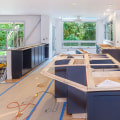
Construction engineering plays a crucial role in determining how well appliances perform over the lifespan of a home. While appliances are often viewed as standalone units, their efficiency and durability are directly influenced by the structural environment in which they operate. Proper load distribution, accurate leveling of floors, and precise framing ensure that heavy appliances such as refrigerators, ovens, and washing machines sit evenly and securely. Even minor structural inconsistencies can create imbalance, leading to vibration, strain on internal components, and premature wear. By incorporating structural precision during the building phase, engineers reduce the mechanical stress that commonly contributes to future breakdowns.
Optimizing Plumbing and Electrical Infrastructure
Thoughtful construction engineering also involves designing reliable plumbing and electrical systems that support appliance performance. Dishwashers, refrigerators with ice makers, and washing machines depend on consistent water pressure and properly aligned drainage systems. Poor pipe routing or unstable connections can cause leaks, pressure fluctuations, or clogs that place unnecessary strain on appliances. Similarly, electrical systems must be engineered to handle the correct voltage loads and dedicated circuits required by modern equipment. Overloaded circuits or improper grounding can lead to power surges, tripped breakers, and long-term damage to sensitive components. By carefully planning infrastructure during construction, builders create an environment where appliances operate within optimal parameters, minimizing the likelihood of future repairs.
Ventilation and Moisture Control Strategies
Appliance longevity is also closely linked to effective ventilation and moisture management. Construction engineering that prioritizes proper airflow helps prevent overheating in kitchens and laundry areas. For example, ovens and refrigerators require adequate clearance and ventilation space to dissipate heat efficiently. If cabinetry is installed too tightly around these units, trapped heat can reduce performance and shorten their lifespan. Moisture control is equally important, particularly in laundry rooms and kitchens where humidity levels can rise quickly. Well-designed exhaust systems and vapor barriers prevent condensation from accumulating behind walls or under flooring, reducing corrosion and mold risks that can affect appliance components. By addressing these environmental factors during construction, homeowners are less likely to encounter avoidable appliance issues later.
Minimizing Vibrations and Structural Stress
Construction engineering also focuses on mitigating vibration and structural movement. Washing machines, dryers, and dishwashers generate repetitive motion that can stress surrounding structures if not properly supported. Reinforced subflooring, anti-vibration pads, and accurate leveling reduce the transfer of movement to nearby cabinetry and walls. Stable installations help prevent loose fittings, cracked connections, and mechanical strain within the appliances themselves. When structural elements are engineered to absorb or minimize movement, appliances experience less wear and maintain consistent performance over time.
Collaboration With Maintenance Professionals
Proactive collaboration between builders and maintenance experts further reduces long-term repair needs. Consulting trusted appliance repair technicians during the planning stage can provide valuable insight into common failure points and installation mistakes. These professionals understand how improper clearances, unstable flooring, or poor ventilation contribute to recurring service calls. Incorporating their recommendations into construction plans ensures that appliances are installed with longevity in mind. This forward-thinking approach transforms maintenance from a reactive process into a preventative strategy embedded within the building’s design.
Ultimately, construction engineering serves as the foundation for appliance reliability. By prioritizing structural precision, robust infrastructure, effective ventilation, vibration control, and expert collaboration, builders create homes that support appliance performance rather than compromise it. Thoughtful engineering decisions made during construction can significantly reduce the frequency of future repairs, saving homeowners time, money, and frustration while promoting long-term household efficiency.