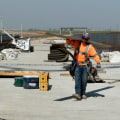
Construction engineering is often associated with cranes, concrete, and visible progress on job sites, but much of its true value lies behind the scenes. Before a structure rises from the ground, engineers are already deeply involved in planning, analysis, and coordination that determine whether a project succeeds or fails. Their work ensures that designs are safe, efficient, and buildable, translating architectural vision into practical reality. This invisible framework supports every phase of construction, from concept to completion, even though it is rarely seen by the public.
Planning, Analysis, and Problem Anticipation
Behind-the-scenes expertise in construction engineering begins with detailed planning and analysis. Engineers evaluate site conditions, material requirements, load capacities, and environmental factors long before construction begins. This early-stage work identifies potential challenges—such as soil instability, drainage issues, or structural constraints—and addresses them proactively. By anticipating problems instead of reacting to them, engineers help projects avoid costly delays, redesigns, and safety risks. This foresight is a cornerstone of efficient construction and long-term structural integrity.
Coordination Across Disciplines
Construction engineering operates at the intersection of multiple disciplines. Engineers coordinate closely with architects, contractors, surveyors, and inspectors to ensure that all elements of a project align. This collaboration requires constant communication, documentation, and adjustment as conditions change. Small discrepancies in plans or execution can have large consequences, so behind-the-scenes coordination is essential for maintaining accuracy and consistency. Engineers often serve as the technical bridge between creative design and on-site execution, making sure that ideas can be built as intended.
Managing Systems That Keep Projects Moving
Beyond structural elements, construction engineering involves managing complex systems that support daily operations on job sites. Scheduling, logistics, material sequencing, and quality control all depend on engineering input. Engineers analyze workflows to optimize efficiency, reduce waste, and maintain safety standards. This operational expertise keeps projects moving forward even when unexpected issues arise. Much like other technical professions where specialized knowledge ensures continuity—such as stove repair in Sussex, WI, which restores functionality without drawing attention—construction engineers solve problems quietly but critically, allowing work to continue smoothly.
Safety, Compliance, and Risk Reduction
One of the most important behind-the-scenes contributions of construction engineering is risk management. Engineers ensure that structures comply with building codes, safety regulations, and industry standards. They assess potential hazards, design protective measures, and support inspections throughout the project lifecycle. This focus on compliance protects workers, occupants, and owners while reducing legal and financial risks. Many safety successes go unnoticed precisely because engineering foresight prevented accidents from happening in the first place.
Adapting to Change and Complexity
Construction projects rarely unfold exactly as planned. Weather conditions, supply chain disruptions, and design modifications can all introduce complexity. Behind-the-scenes expertise allows engineers to adapt quickly, revising calculations, adjusting methods, and proposing alternatives that keep projects on track. This adaptability is especially valuable on large or technically demanding projects where small changes can have cascading effects. Engineers’ ability to respond calmly and analytically under pressure is a defining strength of the profession.
Long-Term Performance Beyond Completion
The value of construction engineering extends far beyond the end of a project. Decisions made during design and construction affect how a structure performs for decades. Engineers consider durability, maintenance, energy efficiency, and future adaptability when making recommendations. Their behind-the-scenes work helps ensure that buildings and infrastructure remain safe, functional, and cost-effective over time, supporting owners and communities long after construction crews leave the site.
Recognizing the Unseen Expertise
Construction engineering demonstrates that some of the most important work happens out of sight. Behind-the-scenes expertise transforms complex ideas into safe, functional structures through planning, coordination, and problem-solving. While the finished project may capture attention, it is the unseen engineering effort that makes success possible. Recognizing this hidden value highlights why construction engineering is not just about building structures, but about building reliability, safety, and long-term confidence into every project.