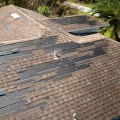
Gutter guards are often marketed as a long-term solution to clogged gutters, promising homeowners relief from debris buildup and water overflow. But when poorly integrated, these systems can actually introduce a host of structural problems that are harder to notice—until the damage is done. At a glance, the idea of placing a barrier between your gutters and falling leaves sounds simple. In reality, it’s a delicate balance between airflow, water flow, roofline alignment, and drainage slope. When any of these factors are overlooked during installation, especially in retrofit situations, the consequences ripple outward—starting with water misdirection and ending in structural decay.
Water Where It Doesn’t Belong
One of the first and most overlooked consequences of poor gutter guard integration is water overshooting. If the guard isn’t properly aligned with the roofline or if the pitch of the gutter changes after installation, rainwater won’t flow into the gutter as intended. Instead, it can cascade over the edge, soaking siding, windows, and foundations. Over time, this constant water exposure causes siding to rot, cracks to form in stucco or brickwork, and paint to peel prematurely. Worse yet, when water pools around the foundation, hydrostatic pressure builds, leading to basement leaks, shifting soil, and eventual foundation damage. All this because a system meant to improve drainage ends up interfering with it.
Trapped Moisture and Hidden Rot
Another risk is the buildup of moisture within the gutter system itself. Some gutter guards are installed beneath shingles or attached in a way that disrupts the roof’s edge ventilation. When airflow is restricted and organic debris is allowed to gather beneath or around the guard, it creates the perfect environment for mold, mildew, and wood rot. Fascia boards—the horizontal boards behind the gutter—are especially vulnerable. If the gutter guard causes water to back up or drip behind the gutter due to poor sealing or incorrect slope, the fascia can become saturated. Over time, this hidden damage spreads to roof decking, soffits, and even interior walls. Many homeowners only discover the problem when visible staining or sagging appears, long after repairs have become costly.
The Domino Effect of Poor Planning
Many installers assume a “one-size-fits-all” approach when it comes to gutter guards, but not all roofing systems are compatible. Variations in shingle overhang, roof pitch, and gutter material require specific types of guards and custom installation techniques. When guards are forced into place or installed without considering the home’s overall drainage plan, small flaws become amplified. Ice dams in colder climates, for instance, can form more readily when water can't flow freely beneath a poorly placed guard. In warmer regions, improperly installed guards can trap heat and moisture, accelerating roof material decay. This is why homeowners are turning to specialized providers like Gutter Guards Raleigh, who understand that effective gutter protection starts with whole-system thinking, not just a cover.
Long-Term Protection Requires Precision
In the end, gutter guards can be an excellent investment—but only when integrated thoughtfully and professionally. The best installations account for the home’s age, roofing structure, regional weather patterns, and drainage history. Poorly installed systems may not show issues in the first heavy rain, but the damage accumulates quietly. Water never forgets the path of least resistance, and when that path leads into your walls, foundations, or attic, it’s often because a shortcut was taken at the edge of the roof.